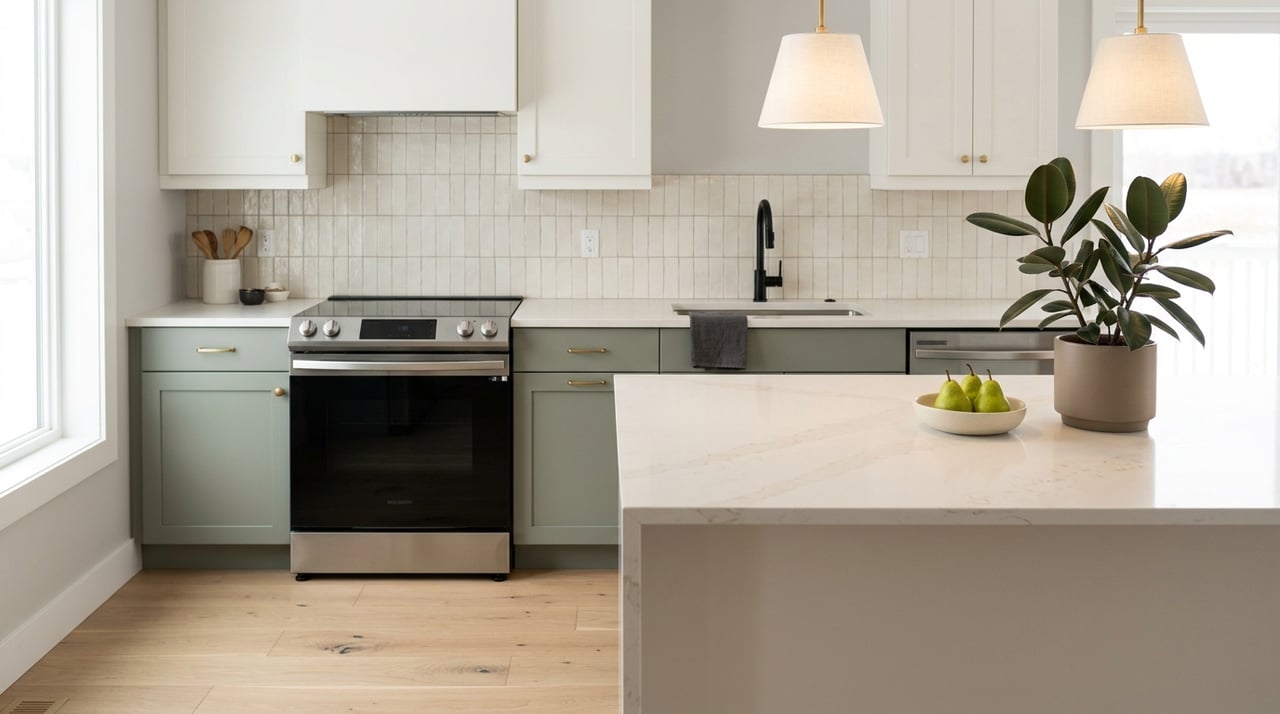
Pricing Your Dayton Home For Today’s Market
July 9, 2026
July 9, 2026
Wondering how to price your Dayton home without leaving money on the table or watching it sit too long? You are not alone. In a small market like Dayton, even a few listings can shift the headline numbers, which makes smart pricing feel more complicated than it looks online. This guide will help you understand what today’s market data really means, how pricing should be built, and what steps can help your home stand out. Let’s dive in.
Dayton is part of the broader Greater Lafayette market, but it does not behave exactly like Lafayette, West Lafayette, or even Tippecanoe County as a whole. Realtor.com’s Dayton snapshot showed just 5 homes for sale, a median listing price of $372,450, a median list price per square foot of $199, and a median 74 days on market through April 2026.
That small number of listings matters. When inventory is that thin, one unusually large, updated, or higher-priced home can influence the city-level averages more than it would in a bigger market. That is why your pricing strategy should not rely on one online estimate or one broad market headline.
Countywide, the picture is a little different. Realtor.com reported 643 homes for sale in Tippecanoe County, a median listing price of $379,580, a median 31 days on market, and homes selling for about asking price on average in May 2026. It also labeled the county a seller’s market and a hot market.
The Indiana Association of REALTORS® dashboard added more context for Tippecanoe County. In May 2026, the county had 199 closed sales, a median sale price of $307,000, 2.1 months of inventory, and a 3-week average of 97.2% of original asking price as of June 22, 2026. Those numbers suggest buyers are still active, but they are not ignoring price.
One of the biggest pricing mistakes sellers make is comparing numbers that measure different things. A median listing price reflects what sellers are asking in the active market. A median sale price reflects what buyers actually paid for sold homes.
Those are both useful, but they are not interchangeable. In Tippecanoe County, for example, the county’s median listing price and median sale price are not the same, and that gap is normal. If you use only active listings to price your home, you may miss what buyers have recently been willing to pay.
This is especially important in Dayton, where there are so few active listings at any given time. A strong pricing plan looks at recent sold homes first, then uses active and pending listings to test whether your asking price is competitive right now.
The best pricing approach starts with a comparative market analysis, often called a CMA. A CMA uses similar nearby properties, known as comps, to estimate a realistic price range for your home.
A useful CMA does more than pull a few similar addresses. It should account for your home’s size, condition, location, amenities, updates, and how buyer demand looks right now. It should also compare sold listings with active and under-contract homes so you can see both where the market has been and where it is heading.
In Dayton, that process usually works best in layers:
That last step matters because nearby markets are not priced the same. In the same county report, Lafayette had a median listing price of $328,450, West Lafayette was at $447,000, and Battle Ground was at $399,900. Those differences show why buyers often compare multiple nearby communities before making an offer.
Pricing is not just about value. It is also about strategy. If your goal is to move quickly, a more competitive price may help attract stronger early attention.
If you have more flexibility and your home has features that stand out, you may have room to test a higher asking price. Still, the market decides whether that number holds up. In today’s Tippecanoe County market, where homes are selling near asking price on average, a realistic price can help you protect both time and leverage.
Affordability is also part of the equation. The Indiana Association of REALTORS® affordability report showed a modeled monthly payment of $2,126 for the median-priced home in Tippecanoe County in January 2026, with a payment burden equal to 42.0% of income compared with 32.9% statewide. That means many buyers are feeling pressure on their monthly budget, so price sensitivity is real.
Price is not the only thing buyers notice. Condition and presentation shape whether they feel your home is worth the asking price.
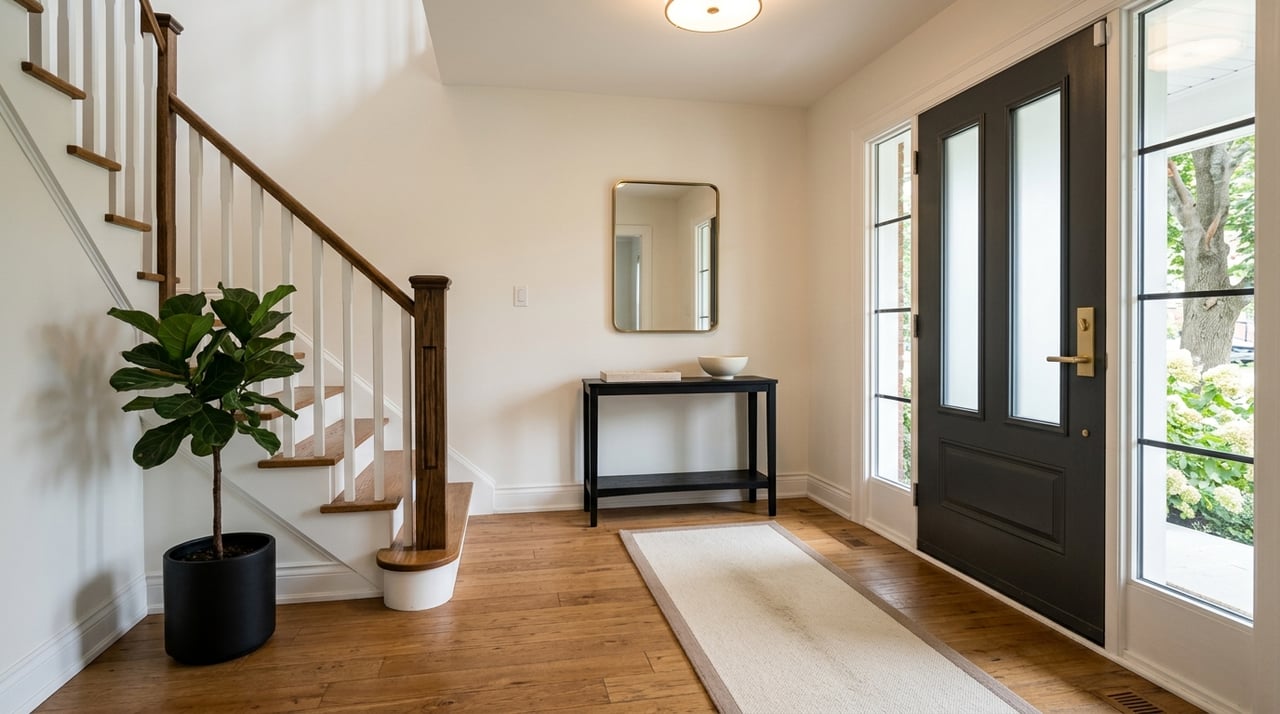
That does not always mean a major remodel. In many cases, the most effective pre-listing work is simple, visible, and broadly appealing. Think fresh paint, light cosmetic repairs, decluttering, and a clean, polished look that photographs well.
According to NAR’s 2025 Remodeling Impact Report, REALTORS® most often recommended painting the entire home, painting a single interior room, and replacing roofing before listing. The same report found strong cost recovery in projects like a new steel front door, closet renovation, and a new fiberglass front door.
The takeaway is simple: buyers tend to respond best to updates that make a home feel well cared for and move-in ready. Highly personal or expensive upgrades are not always the best pricing play before you list.
Staging is often less about decorating and more about helping buyers understand the space. NAR’s staging research found that 83% of buyers’ agents said staging makes it easier for buyers to visualize the property as a future home.
The rooms that matter most are the living room, primary bedroom, and kitchen. Those are usually the spaces where buyers make quick judgments about comfort, function, and value.
Presentation also matters online, where most buyers start. Buyers’ agents rated photos as important 73% of the time, followed by traditional staging at 57%, videos at 48%, and virtual tours at 43%.
On the seller side, 29% of agents said staging increased the dollar value offered by 1% to 10%, and 49% said it reduced time on market. The median spend on a staging service was $1,500. That does not mean every home needs full-service staging, but it does show why polished presentation can support a stronger pricing strategy.
In a seller’s market, it is easy to assume you can start high and adjust later. Sometimes that works, but often it costs you the best window of attention.
When a new listing hits the market, buyers and agents notice it right away. If the price feels out of step with nearby options, the home may sit, and buyers may start to wonder what is wrong even when the property itself is solid.
That risk is especially important in Dayton because the city’s reported median days on market was 74, compared with 31 days countywide. With such a small local sample, that figure may be influenced by just a few listings, but it still points to the need for careful positioning from day one.
Even if a buyer agrees to your price, the deal may still depend on an appraisal. A lender-ordered appraisal is an independent opinion of market value that considers comparable sales, condition, renovations, amenities, location, and size.
If the appraisal comes in below the contract price, the buyer’s loan amount may be affected. That can lead to renegotiation, a larger buyer cash contribution, or in some cases a canceled deal.
This is one more reason realistic pricing matters. A well-supported asking price can help you attract offers that are exciting and more likely to hold together through financing.
Pricing well can improve more than just the sale price. It can also improve the quality of the offers you receive.
In a market where homes are selling near asking price on average, terms still matter. A cash offer or an offer with fewer contingencies may be stronger than a higher offer with more risk attached.
That is why a good pricing and negotiation strategy looks at the whole picture:
When your home is priced well and presented clearly, you give yourself a better chance to compare strong offers instead of trying to rescue a listing that started too high.
If you are thinking about selling in Dayton, the most reliable path is to combine local comps, county trends, and property-specific details. Broad market numbers are helpful, but they should support your pricing decision, not replace it.
A calm, data-backed strategy can help you avoid two costly mistakes: pricing too high and chasing the market down, or pricing too low and missing value. In a market as nuanced as Dayton, local guidance and polished preparation can make a real difference.
If you want a pricing strategy built around your home, your timeline, and today’s Tippecanoe County market, Gibson Realty Group can help you evaluate the numbers, prepare your home for launch, and move forward with confidence.
Stay up to date on the latest real estate trends.
A genuine love for the community paired with professional experience ensures a personalized and thoughtful approach to every client need.