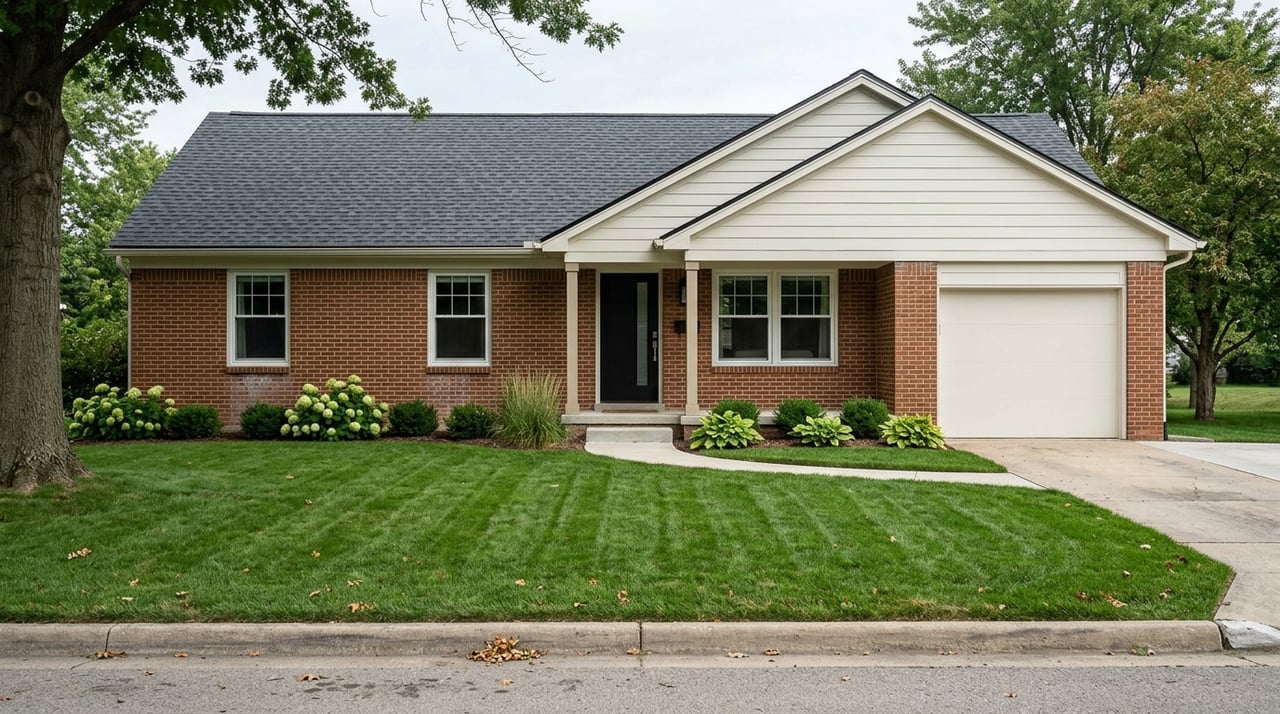
Is Dayton Indiana The Right Place For Your First Home
July 2, 2026
July 2, 2026
If you are buying your first home, choosing the right town can feel just as important as choosing the right house. You want a place that fits your budget, supports your daily routine, and still feels like a smart long-term move. In Dayton, Indiana, the answer may be yes for some first-time buyers and not quite for others. This guide will help you understand the tradeoffs so you can decide with confidence. Let’s dive in.
Dayton is a very small town in Sheffield Township in Tippecanoe County. According to the town’s 2035 comprehensive plan, the population was 1,330 in 2020, with a median age of 37.5.
That small size shapes the buying experience. Dayton is less like a full-service city market and more like a compact residential option near Lafayette. If you are looking for a quieter setting with a small-town feel, Dayton may stand out right away.
One of the biggest reasons buyers look at Dayton is value. As of April 30, 2026, Zillow reported an average home value of $232,446 in Dayton, compared with $266,175 in Lafayette. That puts Dayton about $33,729 lower, or roughly 12.7% below Lafayette.
Redfin shows a similar pattern. Its recent median sale prices put Dayton at $222,000 and Lafayette at $234,000. For a first-time buyer trying to keep a monthly payment manageable, that price gap can make Dayton worth a serious look.
Another draw is the setting. Dayton describes itself as a close-knit residential community near Wildcat Creek and Fairfield Lakes. If you want a calmer home base and do not need to be in the middle of a larger retail area, that can be a real plus.
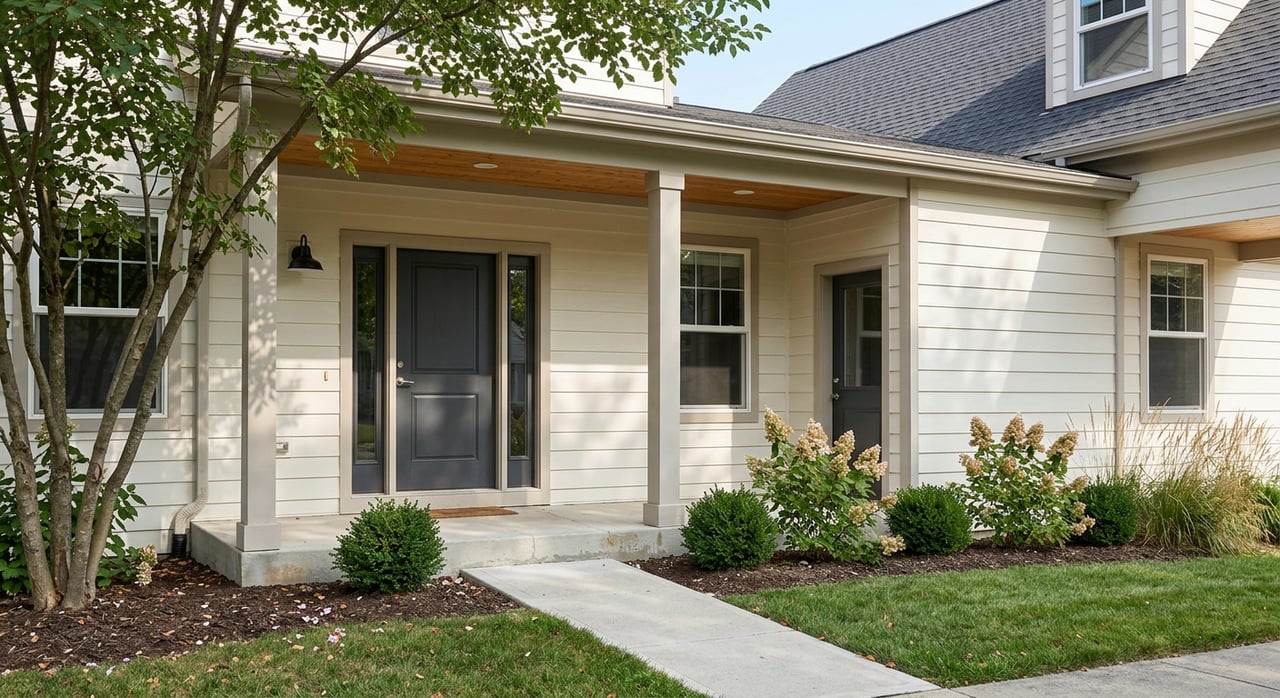
Dayton’s housing is mostly single-family homes. The town’s 2020 housing analysis found that 84.6% of homes were single-unit detached, while 8.1% were two-unit homes.
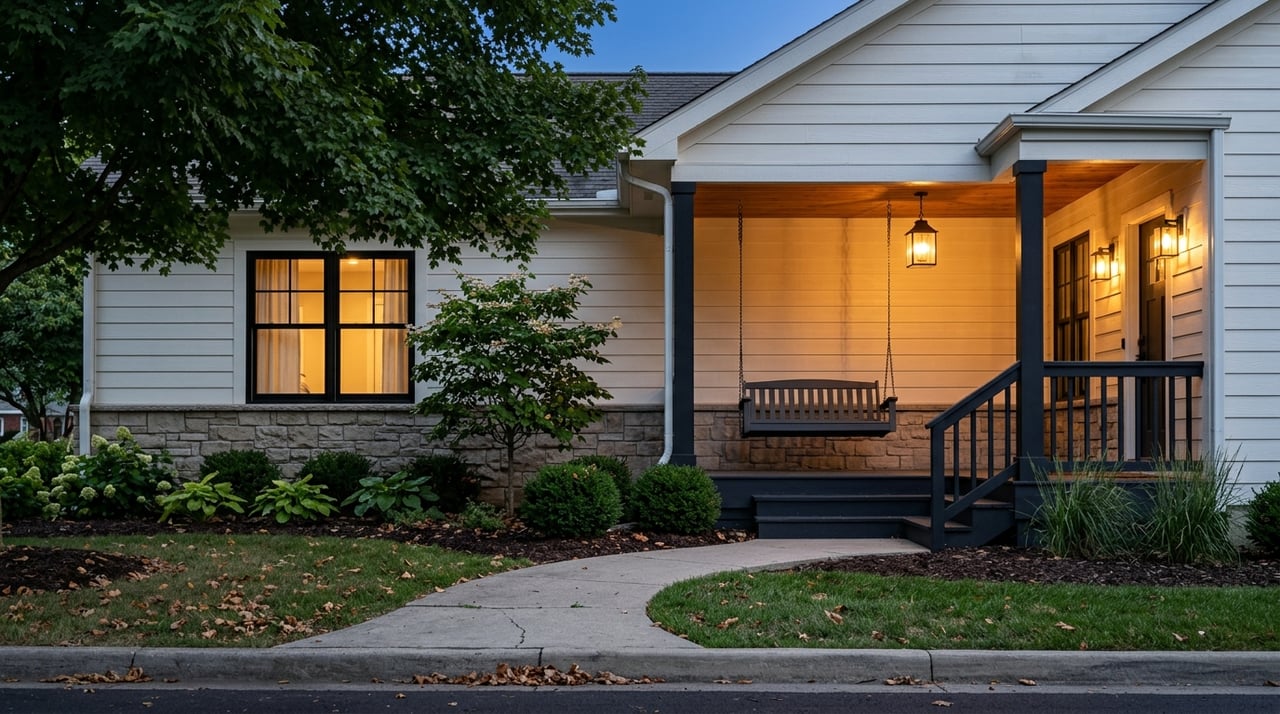
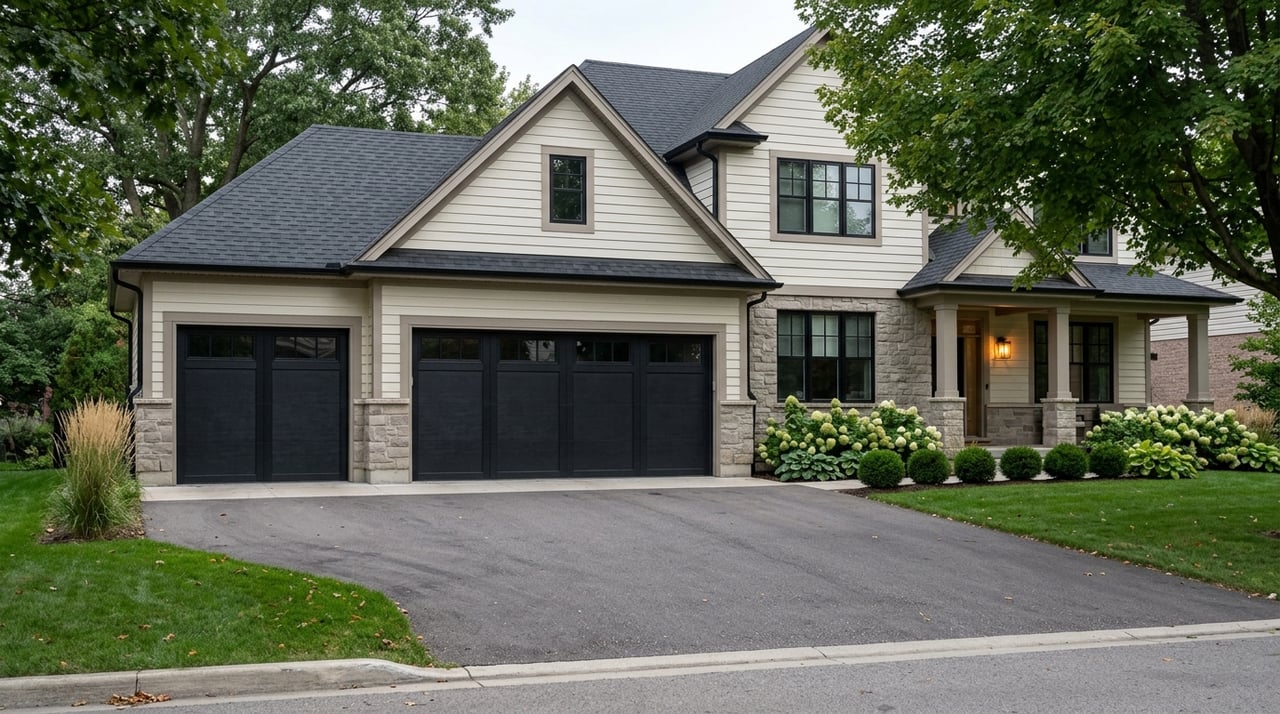
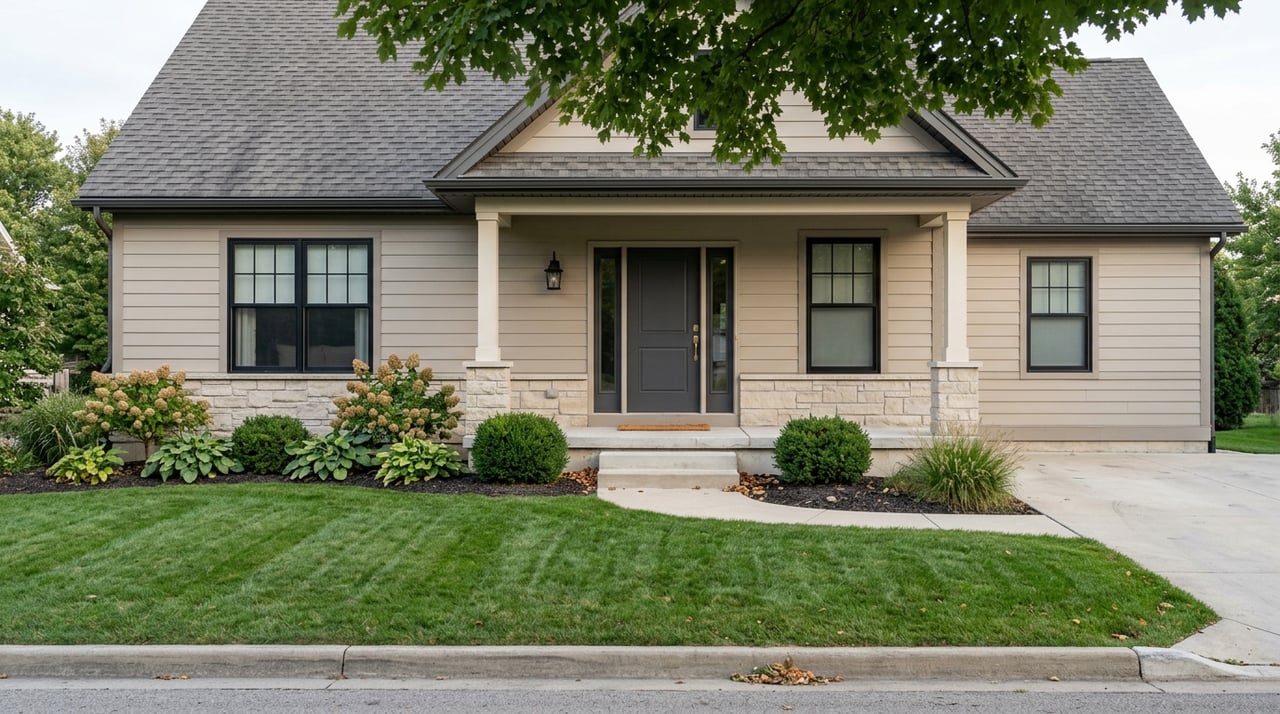
That matters because many first-time buyers in Dayton are likely shopping for a traditional detached home rather than a condo or townhouse. It also means your options may feel more straightforward, especially if your goal is a yard, driveway, or more privacy than some larger markets offer at the same price.
The age of homes varies quite a bit. Nearly 23% of Dayton homes were built before 1940, while 39.3% were built between 1990 and 2009.
In practical terms, you may see two different paths in Dayton:
For a first-time buyer, that makes inspections and repair planning especially important. A lower price is helpful, but the condition of the home can change the real cost of ownership quickly.
Dayton is best for buyers who want a residential environment more than a busy amenity hub. The town’s planning documents show that residents want more retail, dining, parks, recreation, and business uses over time, which suggests the local convenience base is still growing.
That does not mean Dayton lacks appeal. It means you should go in with clear expectations. If you are comfortable driving for some errands, dining, or services, the quieter pace may feel like a strong benefit.
Outdoor access is a notable advantage. Tippecanoe County describes Fairfield Lakes near Dayton as a park with trails, canoe access, a restroom, and a connection to Wildcat Creek. For buyers who enjoy being near open space, that adds everyday lifestyle value.
Dayton is generally a car-dependent town. Its transportation plan describes a road network made up mostly of local streets with low speeds and short trip distances.
State Road 38 is the most traveled street in town, with an annual average traffic count of 10,041 automobiles. For many buyers working in Lafayette or elsewhere in Greater Lafayette, Dayton can still be manageable, but your experience will depend on your exact work location and route.
This is where your daily habits matter. If you want quick access to a broader mix of shopping, dining, and services, Lafayette will usually offer more. If you care more about a quieter place to come home to, Dayton may feel like a better fit.
The biggest challenge in a market this size is often selection. Realtor.com reported only 10 homes for sale in Dayton in March 2026 and labeled it a seller’s market.
That same report said for-sale counts were down 30% year over year. It also noted that the median listing price was down 13.51% and days on market were up 25.42%.
For you, that means Dayton may offer opportunity, but not endless choice. You may need to act when the right home appears, while also staying disciplined about condition, price, and financing.
Dayton has a relatively high homeownership rate. The town’s 2035 plan says 74.4% of homes were owner-occupied in 2020.
For first-time buyers, that can be encouraging. In general, owner-occupied communities tend to have more long-term residents and fewer frequent turnovers than markets with a heavier rental mix.
That does not guarantee how any one block will feel or perform. Still, it supports the idea that Dayton is a place where many owners stay put for a while, which can appeal to buyers thinking beyond just the first year or two.
If Dayton is on your shortlist, two practical items deserve attention early: down payment help and property taxes. Indiana Housing and Community Development Authority says qualifying buyers may receive 5% down-payment assistance through the First Step program.
Program eligibility generally depends on factors such as income, credit score, debt-to-income ratio, home-price limits, and first-time buyer status, unless an exception applies. If you are buying your first home, it is worth checking whether you may qualify before you start stretching your budget.
On the tax side, Tippecanoe County says the Homestead Deduction can significantly reduce property taxes on a primary residence. The county also provides the paperwork path for updating homestead status after you move.
Your first home is personal, but it is also a financial decision. In a smaller market like Dayton, resale usually depends heavily on buying the right home at the right price and in solid condition.
The town’s long-run numbers offer some encouraging context. Dayton home values rose from $96,300 in 2010 to $131,800 in 2020, according to the comprehensive plan.
Because inventory is tight and the market is relatively small, updated single-family homes in financeable price ranges may be the easiest to resell later. That is one reason it helps to look beyond surface finishes and think about layout, maintenance needs, and how broadly appealing the home may be when it is your turn to sell.
Dayton can be a strong match if you want a lower-cost entry point than Lafayette and are comfortable with a smaller inventory. It may also fit you well if you prefer a quiet residential setting and like the idea of being near outdoor areas such as Fairfield Lakes.
You may feel the tradeoffs more if you want lots of listing options, a larger supply of newer homes, or more retail and dining close by. In that case, a broader Greater Lafayette search may give you more flexibility.
Before you make an offer, it helps to slow down and ask a few practical questions:
These questions can help you separate what sounds nice in theory from what will actually work in your day-to-day life.
Dayton is not the right first-home market for everyone, and that is exactly why it can be a great fit for the right buyer. If your priorities are affordability, a quieter setting, and a traditional single-family home, Dayton deserves a close look.
If you want help comparing Dayton with Lafayette or other nearby communities in Tippecanoe County, a local guide can make the process much clearer. The team at Gibson Realty Group helps first-time buyers understand the tradeoffs, narrow the search, and move forward with confidence.
Stay up to date on the latest real estate trends.
A genuine love for the community paired with professional experience ensures a personalized and thoughtful approach to every client need.