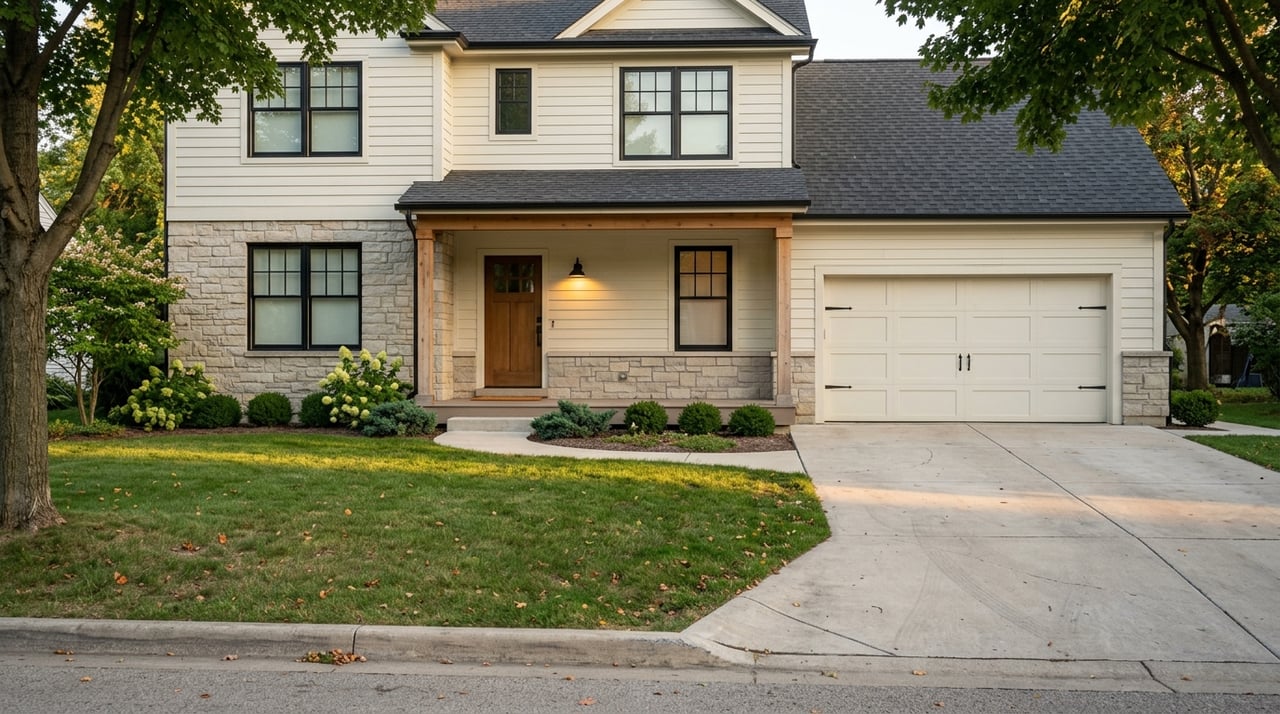
Living in West Lafayette: A Look at Daily Life
May 14, 2026
May 14, 2026
If you are thinking about moving to West Lafayette, one question matters more than almost anything else: what does daily life actually feel like? You are not just choosing a house. You are choosing a routine, a commute, a pace, and a community rhythm. In West Lafayette, that rhythm is shaped by Purdue, short local trips, and a mix of campus energy and everyday neighborhood life. Let’s take a closer look.
West Lafayette is a compact city with an identity that is closely tied to Purdue University. The city estimated 46,338 residents in July 2024, while Purdue reported 58,009 students at its West Lafayette campus for fall 2024-25. That gives the city a very active, college-centered feel that can shape everything from traffic patterns to housing demand.
At the same time, West Lafayette is not only a university setting. It is also a place where long-term residents, university staff, professionals, and newcomers all share the same local spaces. The result is a city that feels busy and connected, yet still manageable in size.
Census data adds more context to that experience. The average household size is 2.10 people, and the mean commute to work is 15.4 minutes. For many residents, that means life can feel efficient and close to the places you go most often.
Yes, West Lafayette does feel like a college town. Purdue’s size has a clear effect on the city’s housing patterns, transportation options, and the overall pace of life. If you live near campus, you will likely notice the semester calendar, student movement, and activity around university events more than you would in a typical small Indiana city.
That does not mean every part of West Lafayette feels the same. Some areas closer to the Purdue corridor have a stronger rental and student-oriented presence, while other parts of the city feel more residential and owner-occupied. Understanding that difference can help you choose an area that fits the lifestyle you want.
The city also has a broad international presence. Census data shows that 21.0% of residents are foreign-born, and 24.3% of people age 5 and older speak a language other than English at home. That mix can make everyday life feel more diverse and globally connected than many people expect in a city of this size.
One of the more appealing parts of living in West Lafayette is that getting around can be easier than in many comparable Midwest markets. The city’s short average commute helps, but so does the transportation network itself. You are not limited to driving for every single trip.
CityBus operates more than 19 fixed routes across Lafayette, West Lafayette, Purdue University, and suburban Tippecanoe County, with service at more than 700 bus stops. In practical terms, that means public transit is a real part of daily life for many residents. It is not just a backup plan.
If you live, work, or spend time near Purdue or along common commuter routes, bus access can make short trips simpler. That can be especially helpful if you want some flexibility in how you move around the area.
West Lafayette also supports biking and walking better than many small cities. The city says its trail system includes 27 miles of paved trails and more than 10 miles of marked bicycle lanes. These routes were designed to connect neighborhoods, parks, schools, and businesses.
That matters because it adds options to everyday routines. You may be able to bike to a park, walk a trail near home, or handle some short trips without getting in the car. In areas with good trail and bus access, West Lafayette can feel quite convenient.
If you are trying to picture the housing market here, it helps to think of West Lafayette as a city with several distinct housing patterns rather than one uniform market. Demand is strong, and the city has said it needs more than 3,000 new housing units by 2030. That need reflects both growth and the pressure of a market influenced by university demand.
Census estimates show an owner-occupied housing rate of 30.5%, a median gross rent of $1,152, and a median owner-occupied home value of $318,100. The city’s strategic plan also notes that home values rose by more than $100,000 between 2019 and 2024. For buyers and sellers, that points to a market where understanding location and property type really matters.
West Lafayette’s strategic plan says 47% of all rental units are concentrated in Oakwood Village, Chauncey Village, and New Chauncey. These areas are close to the Purdue corridor, so they tend to reflect the city’s student-driven housing demand more strongly.
If you are looking for a home near campus, you may find more apartments, multifamily properties, and rental-oriented housing stock. That can be a plus if convenience to Purdue is your top priority, but it also means the atmosphere may feel more tied to the academic calendar.
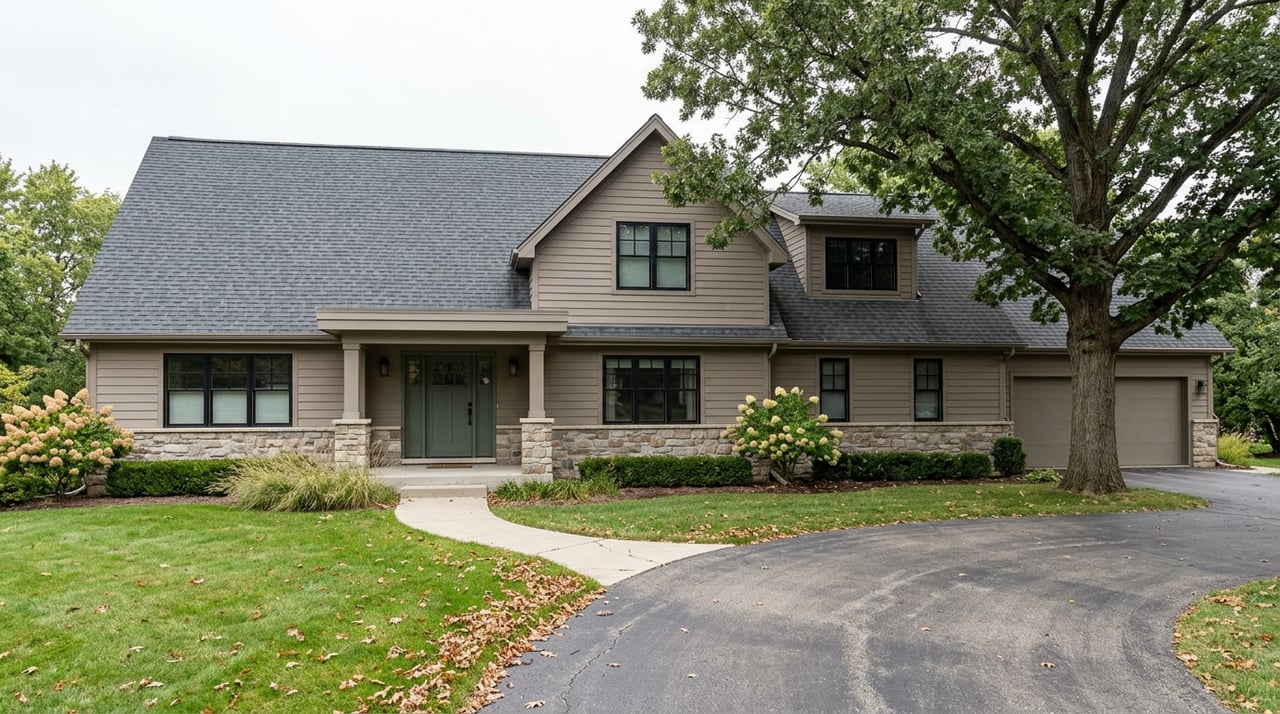
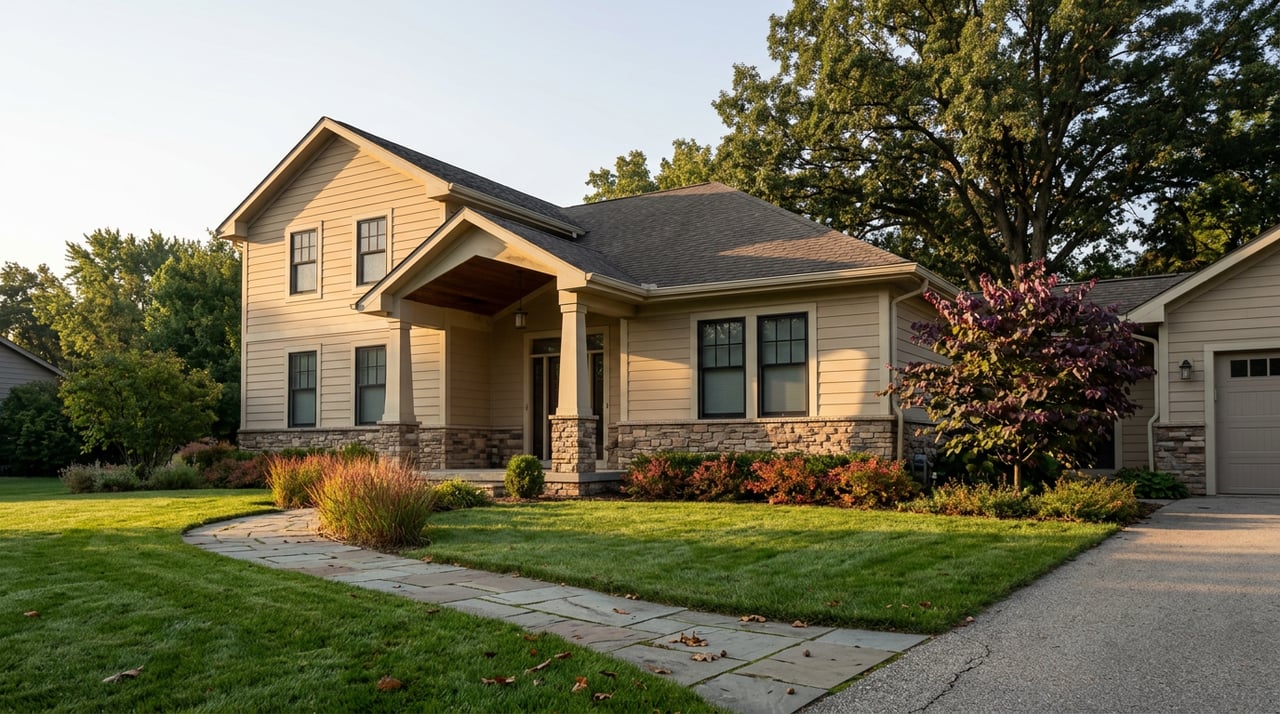
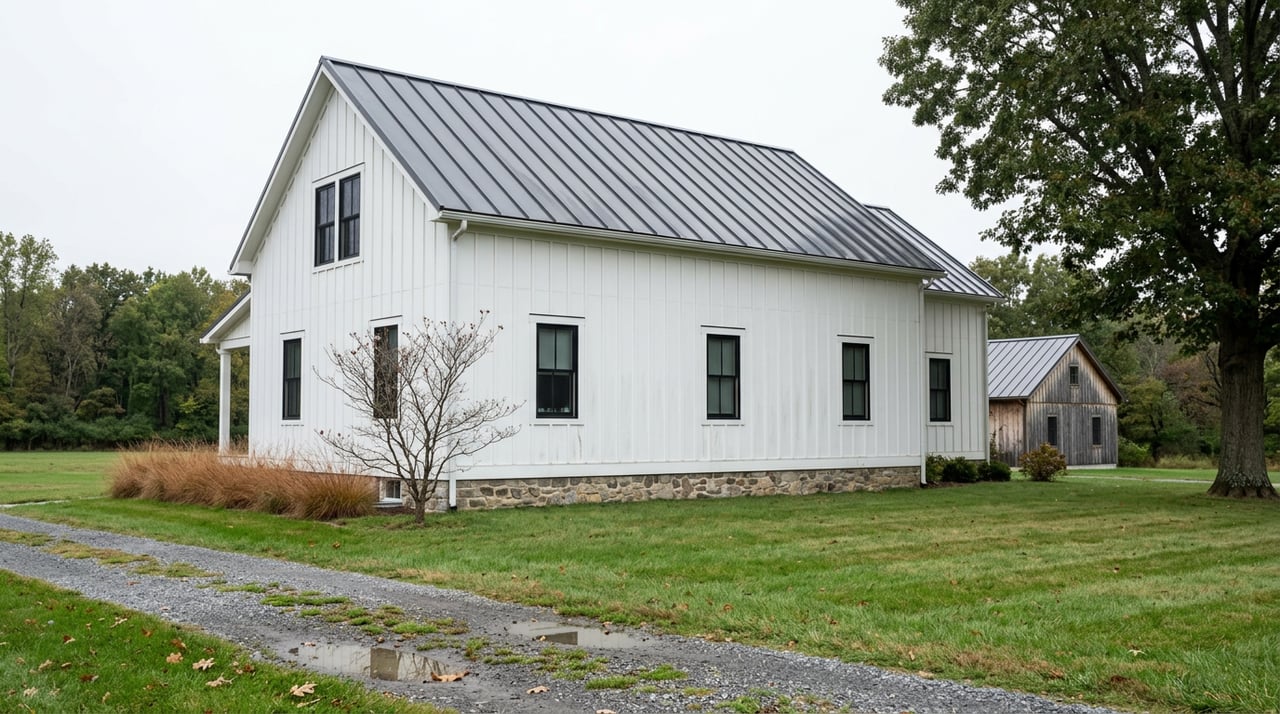
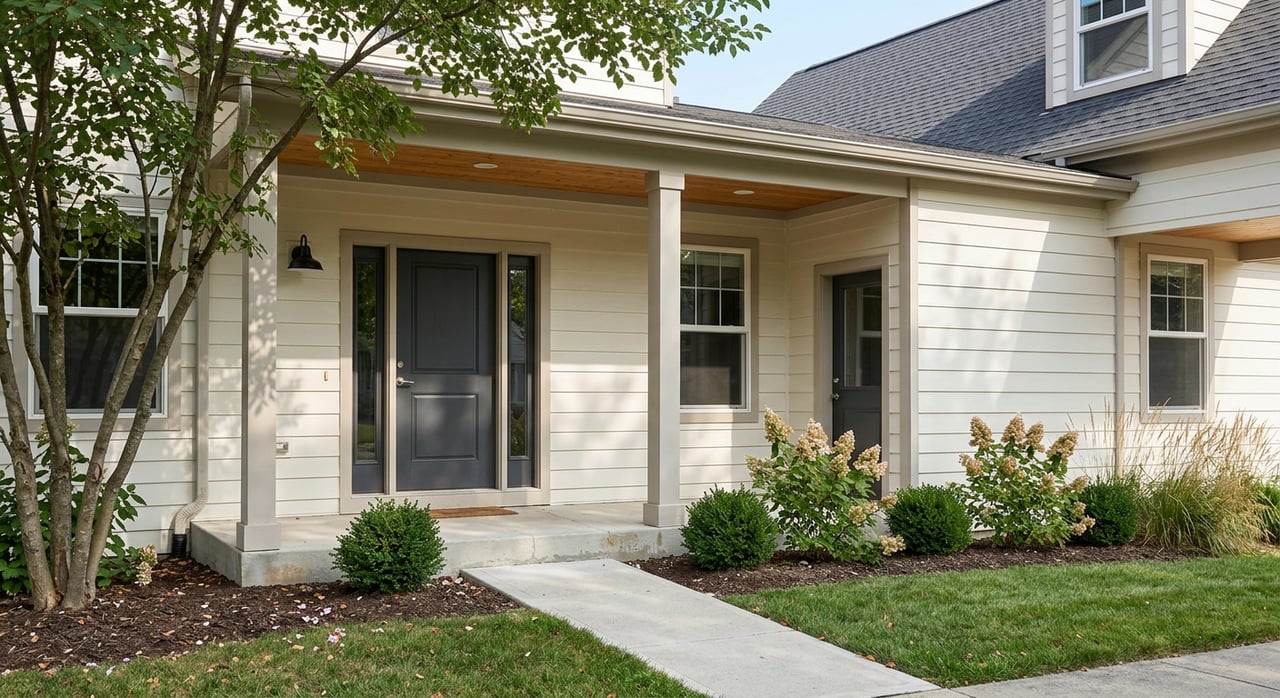
Outside the strongest rental concentrations, you will also find more traditional owner-occupied neighborhoods and a mix of single-family and multi-family housing. The city operates under Tippecanoe County’s Unified Zoning Ordinance and has a rental housing inspection program, which points to a structured approach to housing oversight.
For many buyers, this is where local guidance becomes especially valuable. Two homes may both have a West Lafayette address, but the surrounding feel, housing mix, and day-to-day experience can be very different depending on where they sit in the city.
West Lafayette offers more outdoor space and recreation than many people expect. The parks department says city properties span more than 464 acres. That includes places like Celery Bog Nature Area, Cumberland Park, Happy Hollow Park, Cason Family Park, Tapawingo Park, the John R. Dennis Wellness Center, and the Municipal Pool.
For residents, that means outdoor access is not an occasional extra. It is part of everyday life. Whether you want walking paths, open space, fitness amenities, or riverfront scenery, there are several ways to spend time outside close to home.
Celery Bog Nature Area is one of the city’s best-known outdoor amenities. It covers 195 acres, is open from dawn to dusk, and has no admission charge. The site includes 4.3 miles of paved trails and 2.5 miles of natural paths.
The Lilly Nature Center adds educational and nature programming to the space. West Lafayette also says Celery Bog has been recognized as one of the top five locations in Indiana to observe migratory birds. Even if birding is not your hobby, it says a lot about the type of natural setting available right in the city.
A common assumption about West Lafayette is that everything revolves around Purdue. Purdue is a major force here, but it is not the whole story. The city also has a meaningful local community layer that shows up in parks programming, public spaces, and seasonal events.
The West Lafayette Farmers Market runs from May to October at Cumberland Park. The city says it includes more than 50 vendors, live music, and SNAP access. That kind of recurring event helps create a local rhythm that goes beyond campus schedules.
The parks department also publishes quarterly program guides with activities and events across the city. So if you are wondering whether there is community life outside the university, the answer is yes.
West Lafayette can be a strong fit if you want a city that feels active, connected, and easy to navigate. You may enjoy it if you like the convenience of short commutes, the option to use trails or transit, and access to parks and year-round local activity.
It may be especially appealing if your life is connected to Purdue, whether through work, study, or proximity. It can also work well if you want a market with a mix of housing options and a community that feels more internationally connected than many small cities in Indiana.
The biggest key is making sure the specific area matches your goals. Some buyers want to be near the Purdue corridor and all the energy that comes with it. Others want a quieter residential setting while still staying close to the city’s amenities.
If you are weighing those tradeoffs, working with a local team can make the process much clearer. Gibson Realty Group helps buyers and sellers across Greater Lafayette make confident moves with practical guidance, responsive communication, and local insight into how each area lives day to day.
Stay up to date on the latest real estate trends.


A genuine love for the community paired with professional experience ensures a personalized and thoughtful approach to every client need.